Locusts and marshmallows
EVER SINCE A wayward English printer boo-booed a 1600s edition of The King James Bible that caused Exodus 20:14 to read, “Thou shalt commit adultery,” we’ve been guilty of the sin of omission when it comes to Scripture.
Usually it’s with good intent; we just leave out bits that make us feel uncomfortable. One ready example is Joel 2:25, the first part of which declares, “I will restore to you the years that the swarming locust has eaten.” This is often quoted to people going through dark times as a reminder of God’s goodness and redemptive power: Hang in there, He loves you and has good in mind for you.
And that’s true, as far as it goes. But reading the rest of the verse presents a more complicated picture. Those locusts that devoured all the stuff God promises to give back? They came from Him. The second part of verse 25 reads, “the hopper, the destroyer, and the cutter, my great army, which I sent among you” (emphasis added).
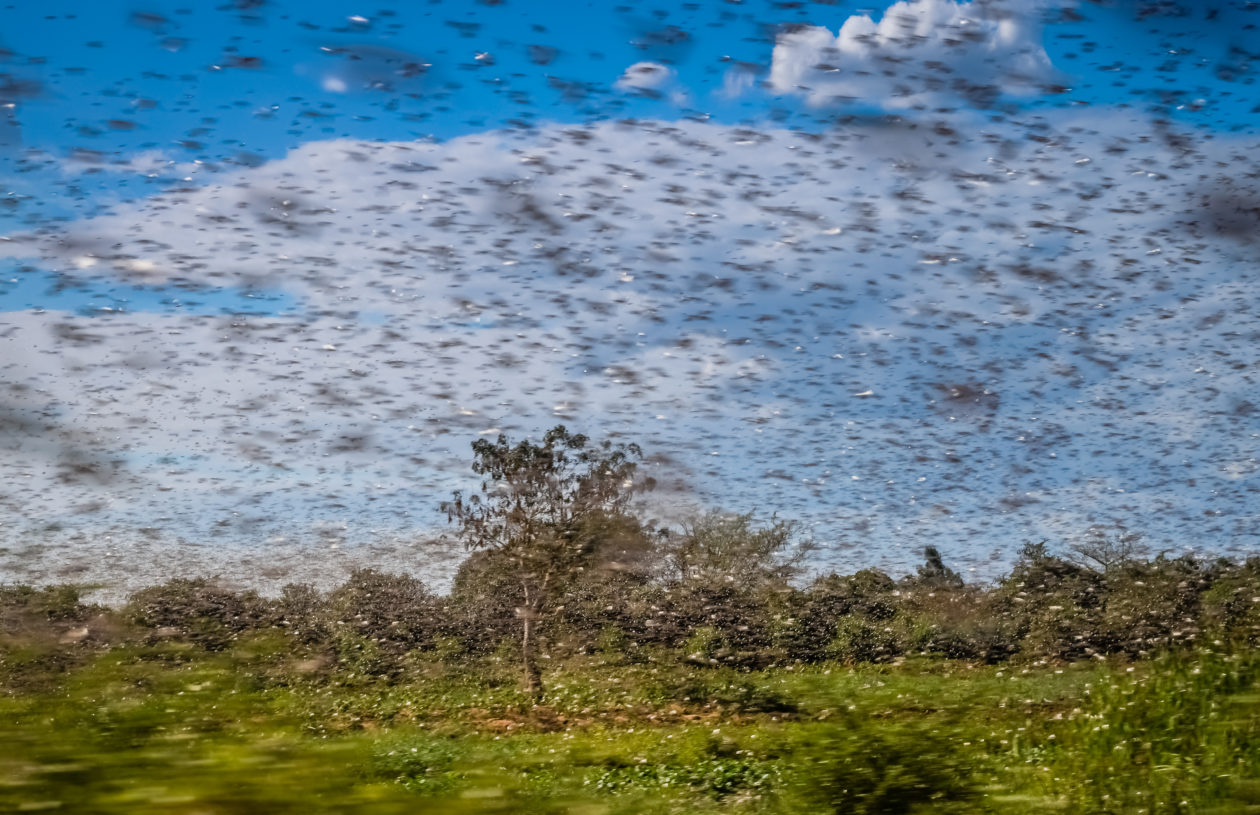
This doesn’t diminish the hope we have for restoration and renewal. But it should prompt some reflection on why we have it. It’s not because God is all gooey and marshmallowy when it comes to His love for us; He’s not a cross between Santa Claus and a giant teddy bear.
God’s love is committed to our greatest good, which may mean He brings hardship our way to refine and reshape us. Those locust hordes were God’s way of calling Israel to repentance.
For some Christians, this is hard stuff to swallow. They see all that judgment stuff as very Old Testament-ish; they point to the grace and mercy Jesus brought in the New Testament as though it overwrites all that came before. But the old ways aren’t replaced by the new ways so much as fulfilled in them.
The writer of Hebrews quotes Proverbs 3:11-12 in Hebrews 12:5-6 when he addresses the struggle against sin: “My son, do not make light of the Lord’s discipline, and do not lose heart when he rebukes you, because the Lord disciplines the one he loves, and he chastens everyone he accepts as his son.”
Then he goes on to say that, actually, knowing God’s heavy hand on you is a sign of His love, not ultimately His displeasure: “Endure hardship as discipline; God is treating you as his children. For what children are not disciplined by their father? If you are not disciplined—and everyone undergoes discipline—then you are not legitimate, not true sons and daughters at all” (vv. 7-8).
Acknowledging the locusts are our fault shouldn’t discourage us; it should only deepen and enrich the hope we can have in a God committed to our becoming all that He intended.
 AndyButcherOnline
Leave a comment