Intros and outros
GROWING UP AS a third-generation newspaperman, I was schooled in the hard “intro” (or “lede,” as they say in the U.S.) approach to writing—a short paragraph that grabs the reader’s attention.
It was this “pyramid” approach that guided newswriting. Boil down the facts to the most important and add a few more details in subsequent paragraphs. Tell them someone died in a plane crash on the outskirts of town yesterday. Tell them who it was and where the accident happened. Tell them what investigators know about the cause. Tell them what others witnessed. And so on.
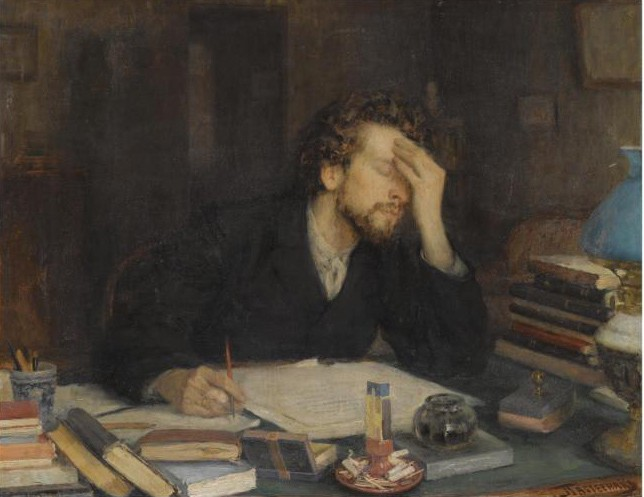
This progressive approach is clear and logical, which is important for easy comprehension, but it was also practical back in the days of old-style printing. Pages were prepared for printing using individual lines of metal type, placed one after the other in a case. “Casting off,” or estimating how many lines would fit on a page, was an imprecise science.
This meant sometimes stories had to be shortened and there was no time for rewriting. All you could do was eliminate the bottom layer of the “pyramid” you had built with your words. Even though you could lose those last lines of type, you would still have the essence of the story in what appeared beforehand.
Getting that opening sentence right was critical because it shaped all that followed. But for too long I let it dictate all my other kinds of writing, too, like longer-form articles that are not necessarily pyramidical in structure. For instance, feature articles need to have flow, but they aren’t always as clearly A-B-C in their construction.
Over time, I realized these kinds of pieces require a different approach. Rather than sequential, they can be episodic or thematic. Sometimes you wander a little, zig-zagging between things. I (finally) learned to write these separate scenes or sections and then go back and see how best to link them and, finally, introduce them. That opening sentence or two can sometimes now be the last thing I write in a long-form piece.
And when it comes to books, I recognize that while the opening words of that first chapter are all-important, after that, how you start your subsequent chapters doesn’t matter that much. What is more critical is how you end your chapters—the “outro,” so to speak, not the intro. When a reader puts your book down at a convenient break point, do they do so with a “meh” or a “huh”? Have you made them want to pick it up again to find out how wherever you left things are advanced or resolved? You already have their attention.
Good endings can be just as important as good beginnings.


Leave a Reply